The orchestration layer for innovation in advanced manufacturing. Narratize unites data from your systems of record with your experts' tacit knowledge in Product Knowledge Hubs for every product — so teams launch superior products, faster.
.avif)
Each product gets its own Product Knowledge Hub, where the whole cross-functional team contributes what they know. Every hub rolls up into portfolio-level intelligence — so the knowledge compounds across products, teams, and cycles.
.avif)
Narratize pulls in everything you know, Cerebrum turns it into structured intelligence, and your teams put it to work — every answer traced to source.
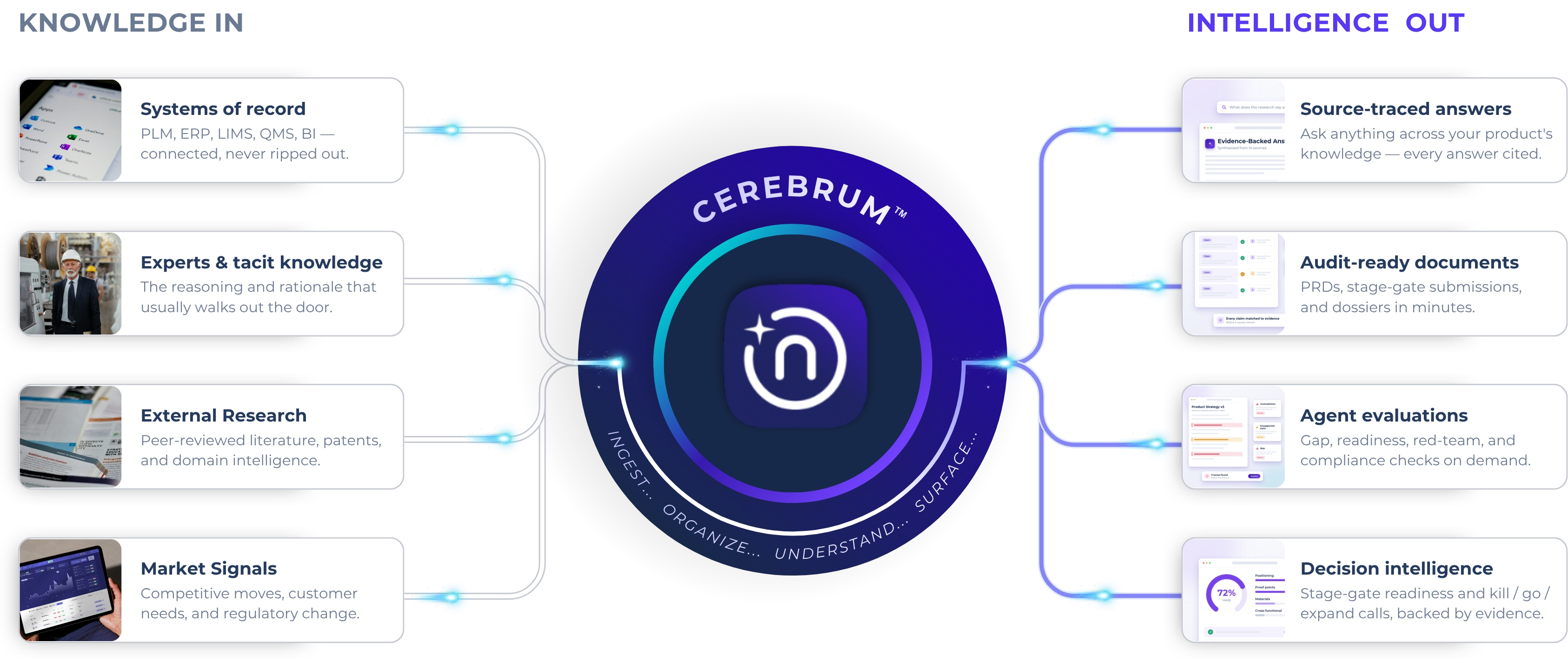
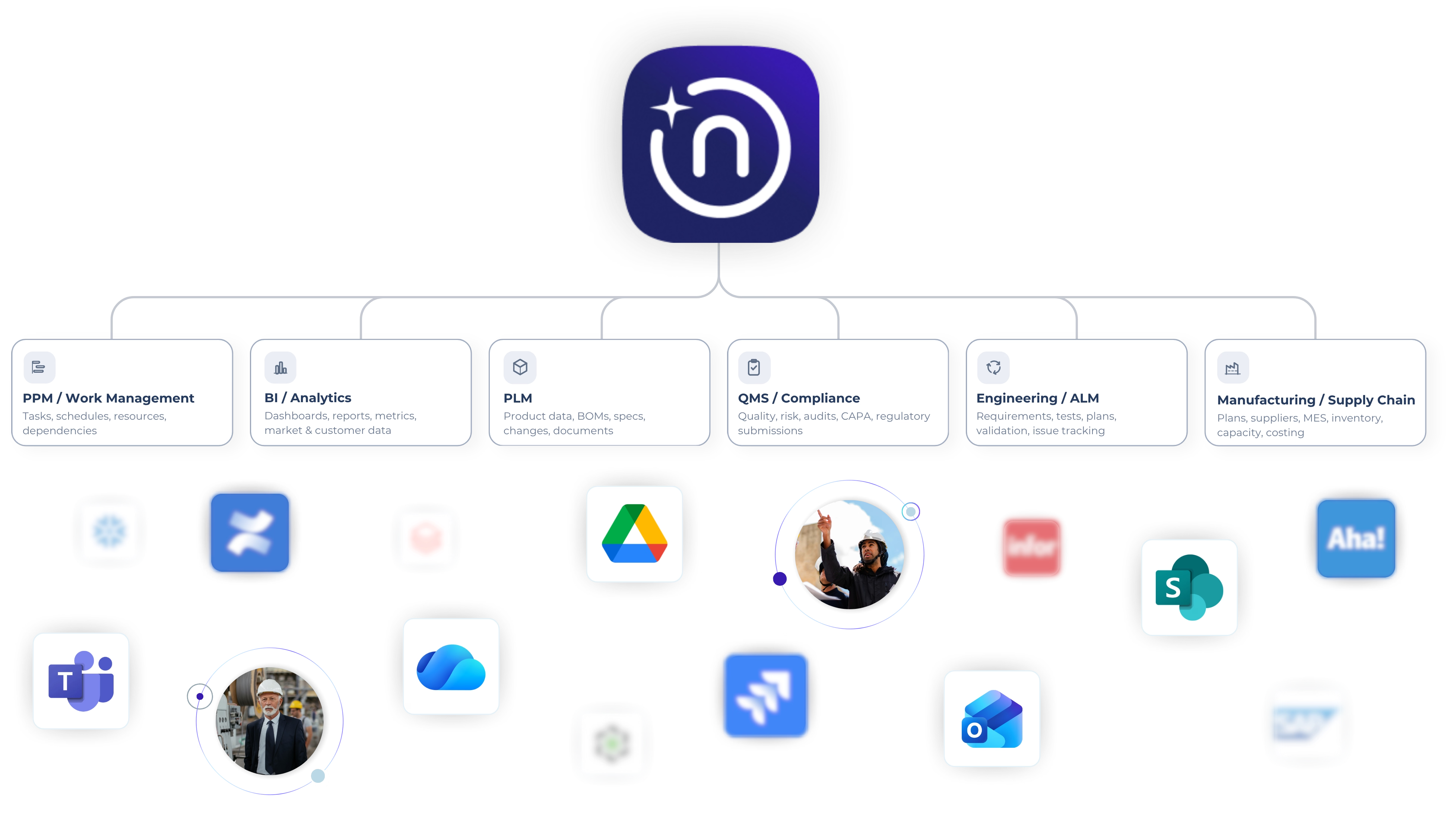
Narratize sits above your systems of record — PLM, ERP, CRM, and knowledge platforms — and unites their data with your experts' tacit knowledge. Product Knowledge Hubs bring that knowledge together for the cross-functional work of new product development.
Most tools forget the moment you close the tab. Narratize accumulates knowledge across every layer of your operation, so context carries from one project, team, and cycle to the next.

What each person is working on, their decisions, and how they like to work.

Your standards, processes, taxonomy, and the way your organization makes decisions.

The engineering, scientific, and regulatory expertise specific to your field.

Every product hub and how it rolls up into the full portfolio view.

Competitive moves, customer needs, patents, literature, and regulatory change.
The Innovation Intelligence Toolkit — AI Agents, Smart Templates, Chat, and AI Workflows — lets R&D, engineering, regulatory, marketing, and commercial teams ask, write, research, and evaluate using their product's complete knowledge base.
.avif)
15+ purpose-built agents run structured assessments across your hub — not generic chat.
Compliance Verification maps a design to ISA/IEC 62443; Red Team flags configuration risk.
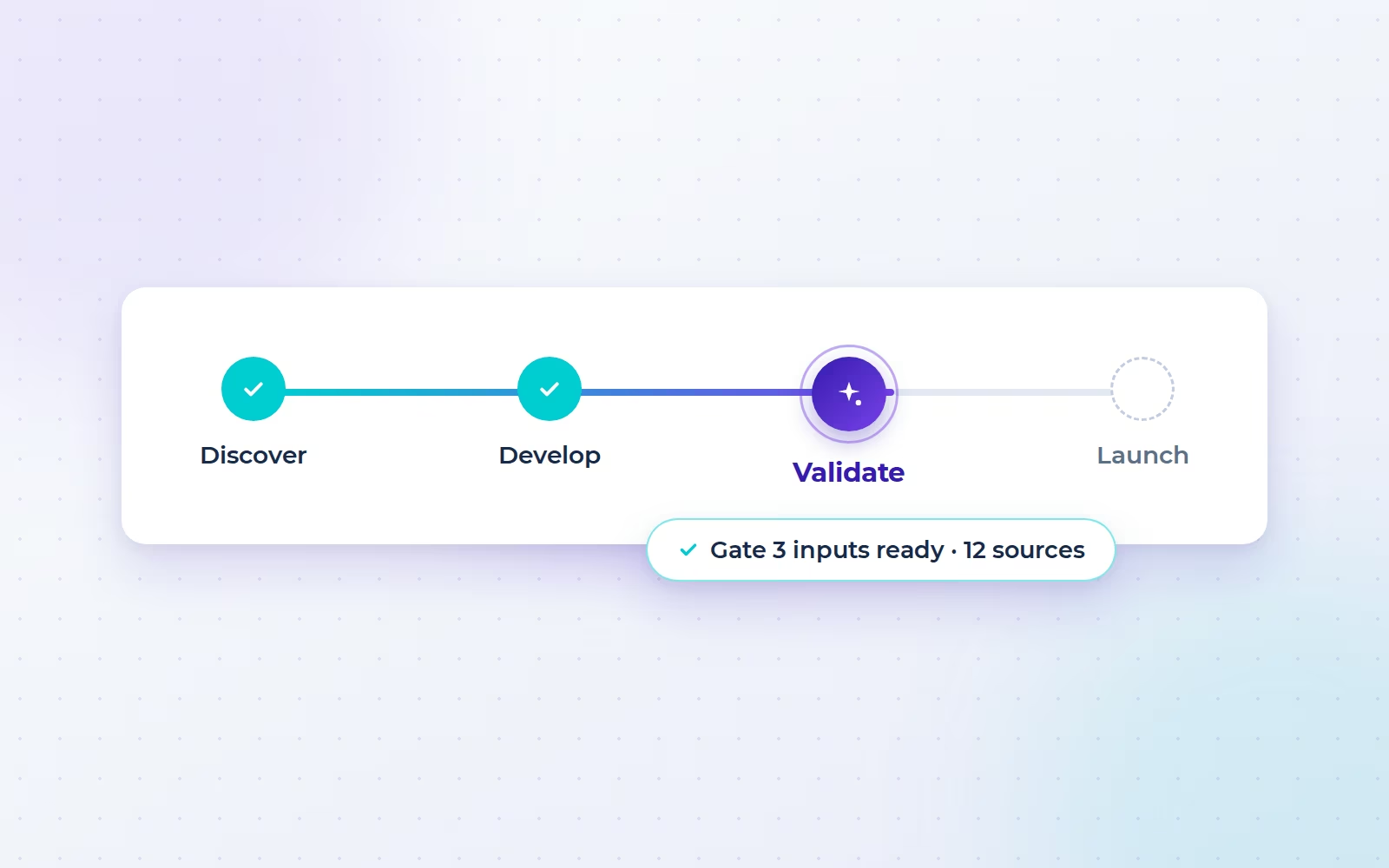
Configurable, stage-gate workflows that follow how your teams actually develop product.
Move a custom switchgear order from spec intake to submittal through your gates.
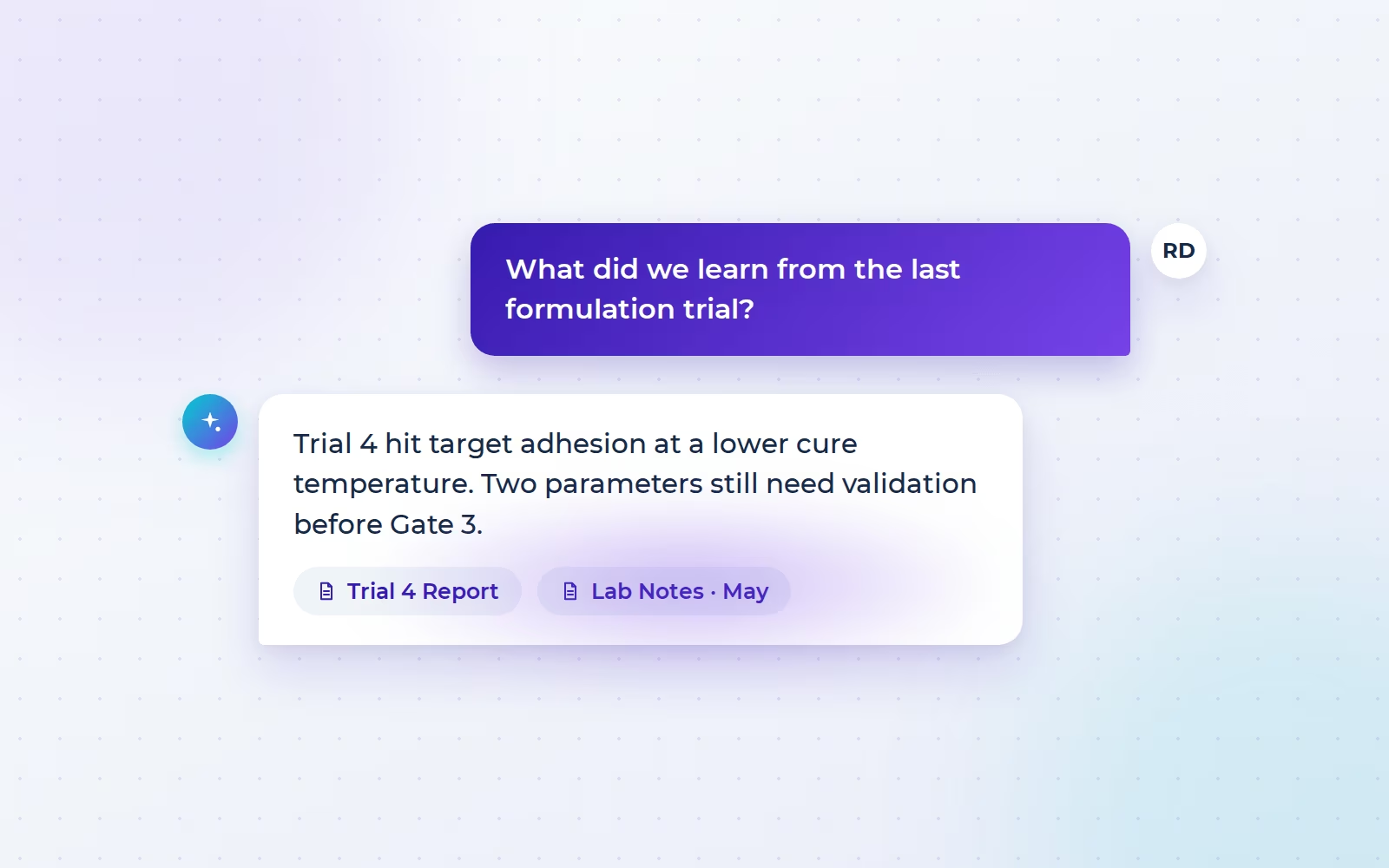
Ask your product's full knowledge base anything in plain language, and trace every answer back to its source.
"Have we built a 480V MCC for a coastal site?" → a cited answer.
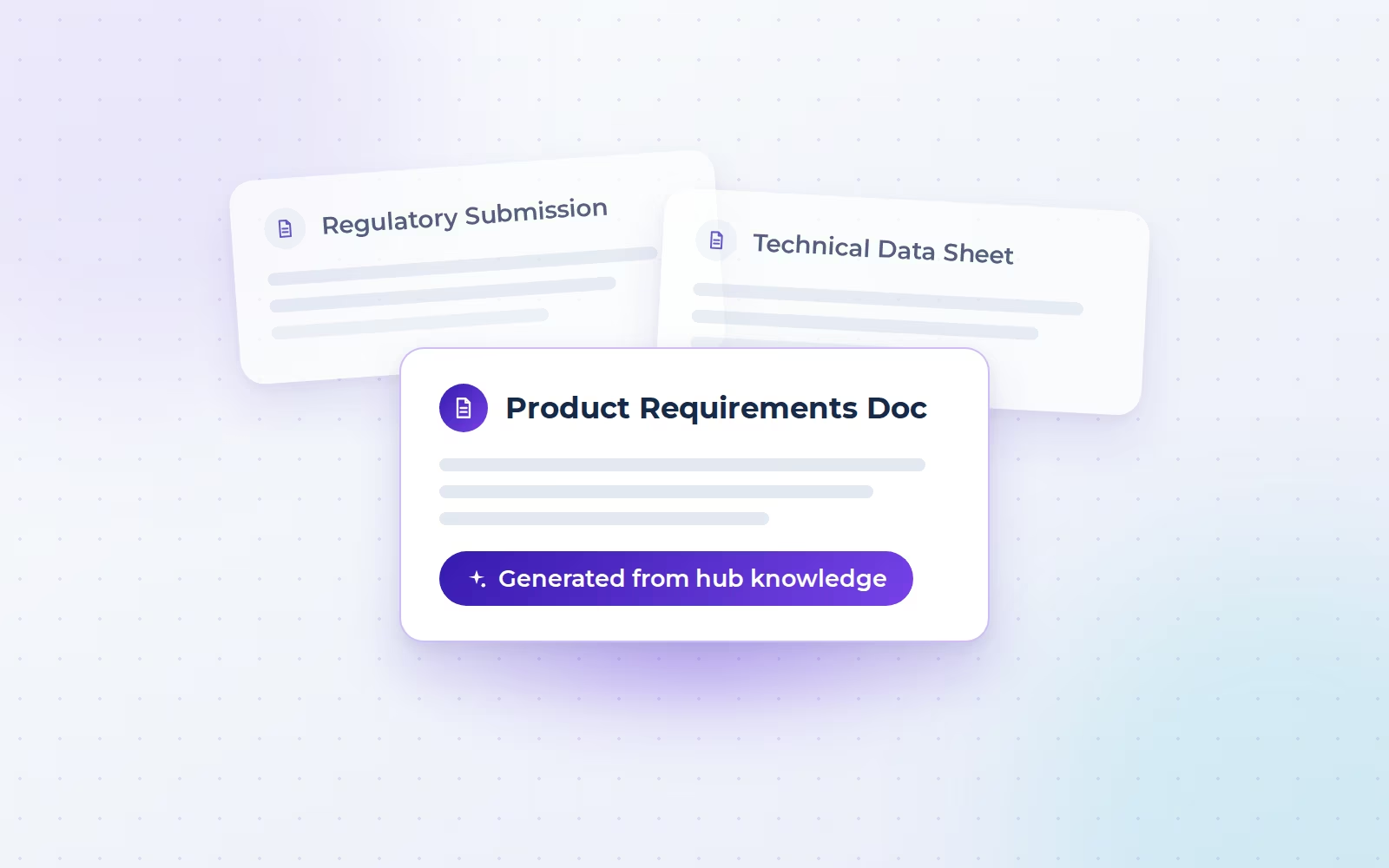
Industry-specific templates generate PRDs, technical data sheets, and regulatory submissions from accumulated knowledge in minutes.
Start a UL 508A submittal package — not a blank page.
Map your stage-gate process into Narratize, and every stage prompts the right work: the inputs to gather, the intelligence to generate, and the decisions to make before moving forward.
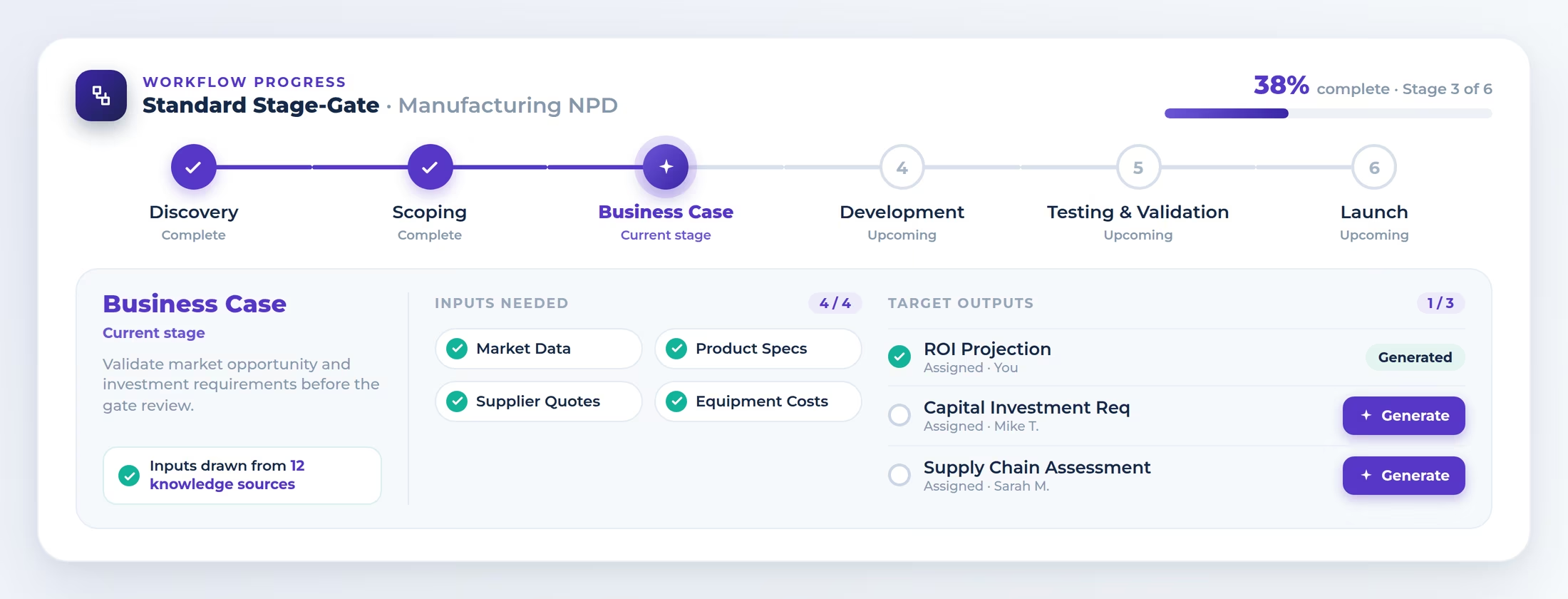 Learn more about Workflows →
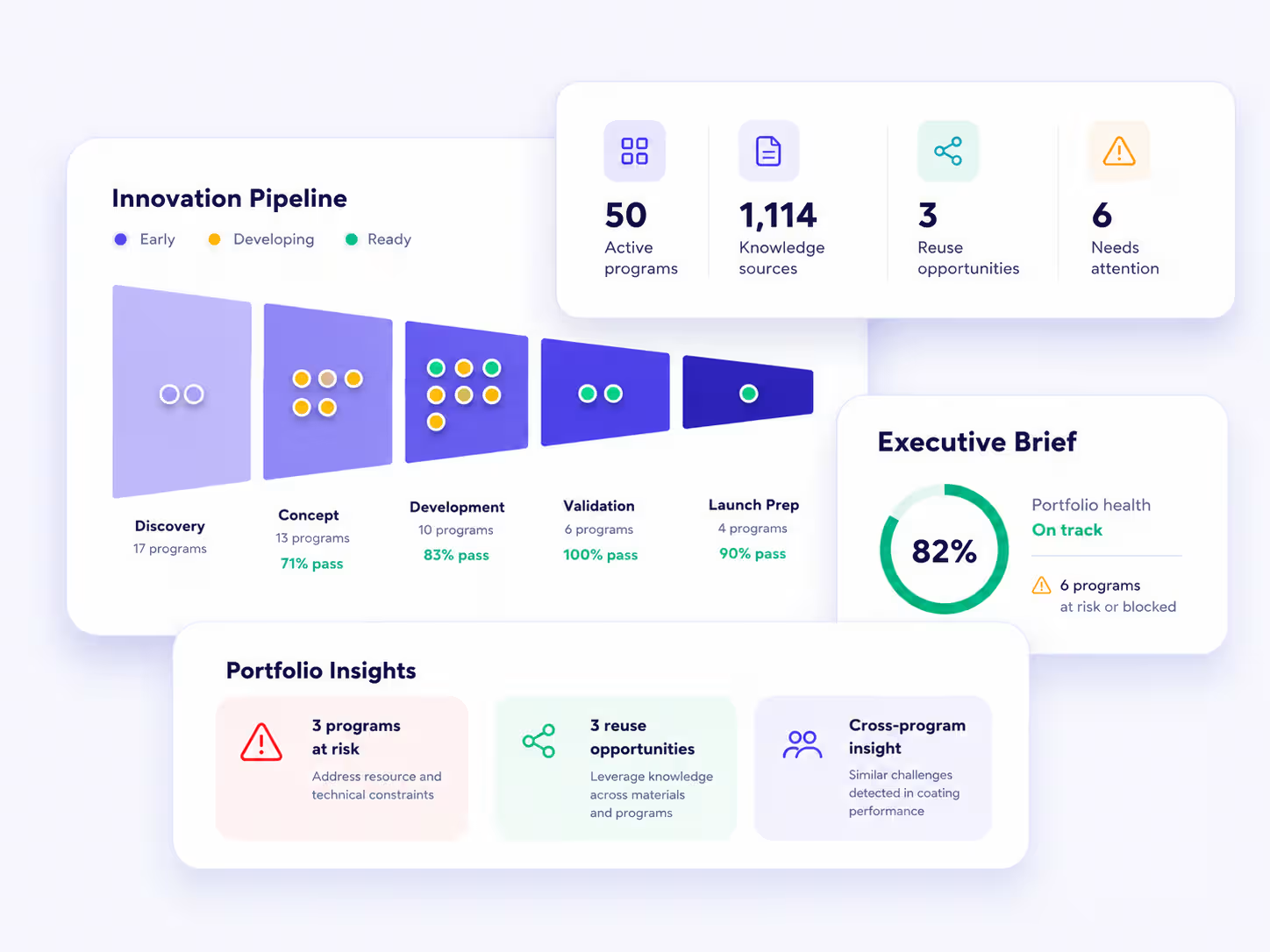
Every product hub rolls up into a portfolio view that answers across products, shows readiness at a glance, and gives leaders the evidence to decide where to invest.
Every engagement starts with a discovery phase that maps your systems to integration tiers — then we connect them, build your master tags and taxonomy, model your ontology, and tune Narratize to your stage-gate process.
.avif)
MCP-native connections, secure integrations, or document upload — meeting each system where it is.
Your knowledge structure becomes the platform's structure, so insights surface instead of hide.
Role-based training and champion programs that drive adoption org-wide.
Teams add knowledge (documents, files, reports, data, and meeting notes) to a product's Knowledge Hub, where it organizes automatically into searchable intelligence. From there, the Innovation Intelligence Toolkit (AI Agents, Smart Templates, Chat, and AI Workflows) lets teams ask questions, generate documents, research, and evaluate readiness using the product's complete knowledge base.
It is the set of capabilities teams use inside every Product Knowledge Hub: AI Agents for structured evaluation and documentation, Smart Templates that pre-fill from verified knowledge, Chat for natural-language questions, and AI Workflows that map your development process to your product knowledge.
Cerebrum is Narratize's Innovation Orchestration Layer. It coordinates AI capabilities across the development lifecycle, retrieves precise product knowledge, plans multi-step actions, and grounds every output in your organization's verified knowledge rather than generic training data.
Four things: ask (natural-language questions answered from the product's knowledge), write (generate PRDs, specs, and reports from verified sources), research (analyze market, technical, and competitive inputs), and evaluate (assess readiness, gaps, and compliance).
Narratize grounds every output in verified hub knowledge and links insights back to their source, so teams can trace any claim to its origin. Version control maintains documentation history, and the Alignment Checker validates documents against organizational truth so claims hold up under scrutiny.
Any input a team wants to preserve and use: technical documents, research reports, test data, specifications, meeting notes, market analysis, regulatory records, and expert interviews. Narratize organizes it automatically so the whole team can find and use it.
Yes. AI Workflows adapt to stage-gate, agile, or hybrid processes, mapping each stage to the right inputs, intelligence, and outputs. Narratize supports formal NPI and stage-gate rigor without slowing teams down.
Generic AI is built for general productivity and starts every session with no memory of your product. Narratize is purpose-built for product innovation, grounded in your organization's real knowledge, and structured around the workflows and evaluations that NPD teams actually run.
Yes. Narratize automates and enhances the work while keeping people at the center of every decision. Teams review and refine AI-generated drafts, approve documents through governed workflows, and make the go/no-go calls. The platform surfaces the intelligence and handles the structuring.
It is designed around how products actually get built: role-based capabilities that reduce documentation burden, structured evaluations at every gate, workflows that carry context across R&D, engineering, regulatory, and commercial, and a knowledge foundation that compounds with every product.