
Whether you're developing a pump, compressor, vacuum system, high-pressure fluid system, rotary joint, valve or hydraulic component, the next application depends on work your organization has already done.
Narratize connects requirements, product data, prior designs, test evidence and expert judgment in governed Product Knowledge Hubs, so teams can reuse what applies, understand what changed and move the next design forward without sacrificing engineering rigor.
Interpret dense requirements into source-linked engineering inputs, exceptions and gaps
Reuse proven engineering with its rationale, operating limits, evidence and field lessons
See which prior validation evidence still applies and what truly needs engineering review
See it work: Explore the 3-minute interactive demo →
.webp)
The products in this category vary enormously. The engineering challenge has a common shape. A new application arrives, a customer requirement changes, a product family gets extended, operating conditions shift, or a material, component or standard changes. Before moving forward, engineering has to reconstruct enough context to answer: What does this application require? Have we solved something similar before? Why did the previous design work? Which evidence still applies? What has changed enough to require new work?
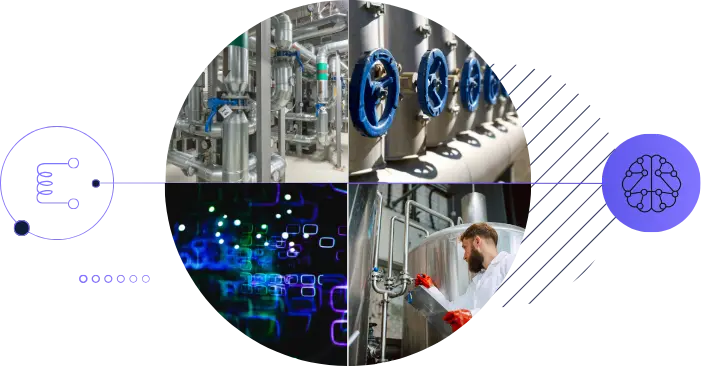
More applications, variants, configurations, customer requirements and operating conditions mean more decisions to evaluate across every program.
Specifications, performance data, drawings, test results, field history, PLM and ERP records, prior exceptions and expert knowledge live in different systems, and with different people.
Finding an old design is not enough. Teams need to know why it was selected, under what conditions it was proven, what went wrong, what changed and where the prior evidence stops applying.
Each product or development program gets a governed Product Knowledge Hub that connects what your systems record with what your experts know. Narratize sits above and works with PLM, ERP and document repositories; those systems stay authoritative for the records they own. Five capabilities put that intelligence to work against your product's complete engineering history.
.avif)
Purpose-built agents run structured assessments across your Hub, not generic chat: comparing requirements against product evidence, identifying knowledge gaps, challenging design assumptions or tracing the impact of a change.
Requirements Analysis · Compliance Verification · Knowledge Gap · Red Team · Change Impact
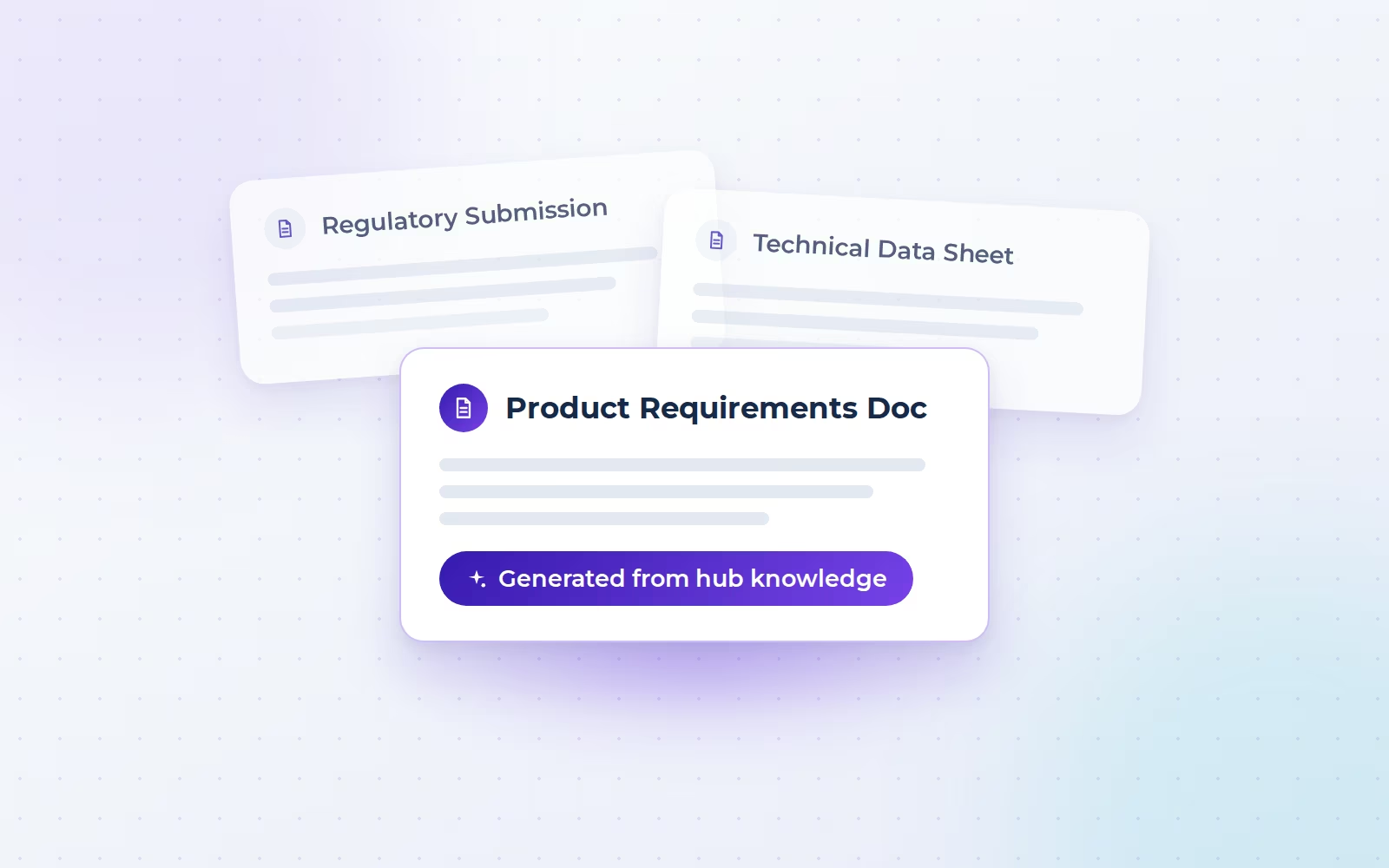
Start requirements briefs, test plans, technical specifications and decision records from what the organization already knows instead of a blank page. Every output keeps its connection to the evidence behind it.
Start an API 610 proposal brief pre-filled from prior exceptions and test evidence, not a blank page.
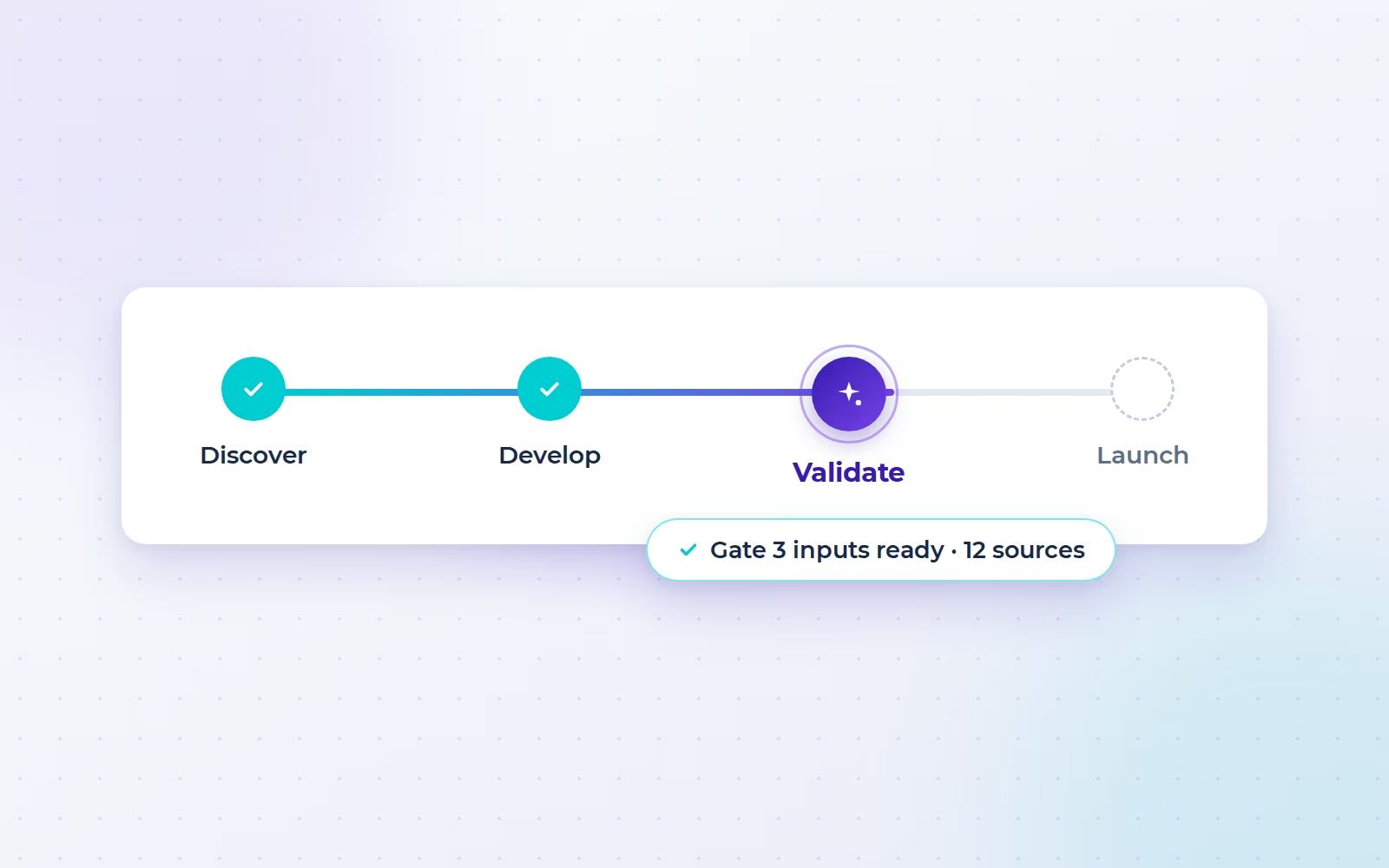
Connect Stage-Gate, Agile or hybrid processes to the knowledge required at each stage. Teams see which inputs exist, what is missing, which decisions remain open and what work is needed before moving forward.
Move a process-pump inquiry from requirement package to validated proposal through your gates.
.avif)
Search and analyze relevant technical literature, standards, patents, market information and other approved sources, and connect the findings to the product work they inform.
Pull the relevant clauses of a revised API or ISO standard into the program that has to comply with them.
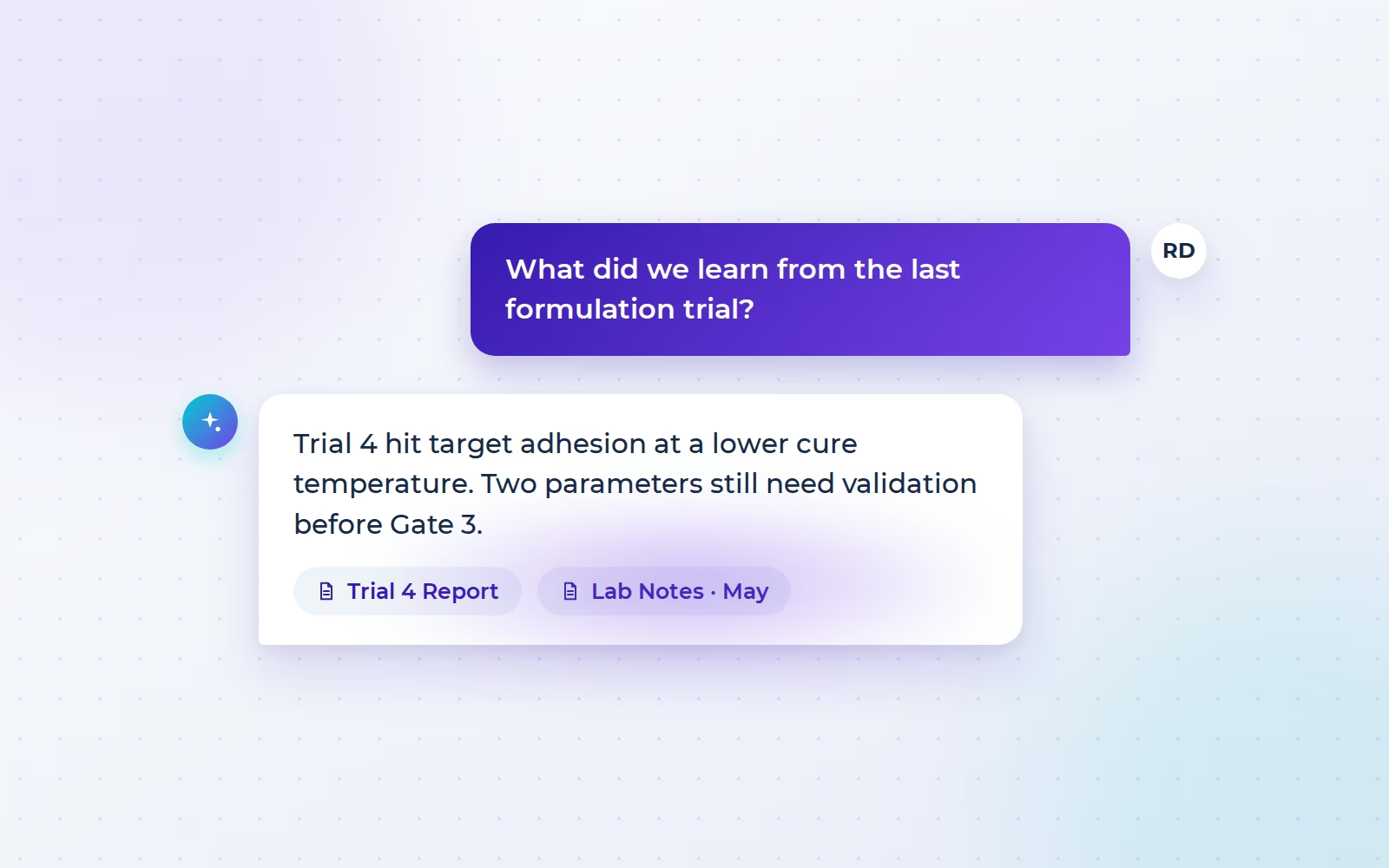
Ask questions across the product's knowledge in plain language and inspect the sources behind every answer.
"Have we solved an application like this before, and what made the configuration work?" → a cited answer.
The value isn't merely finding an old file. It is connecting the requirement, the prior decision and the evidence well enough for engineering to determine what actually applies.
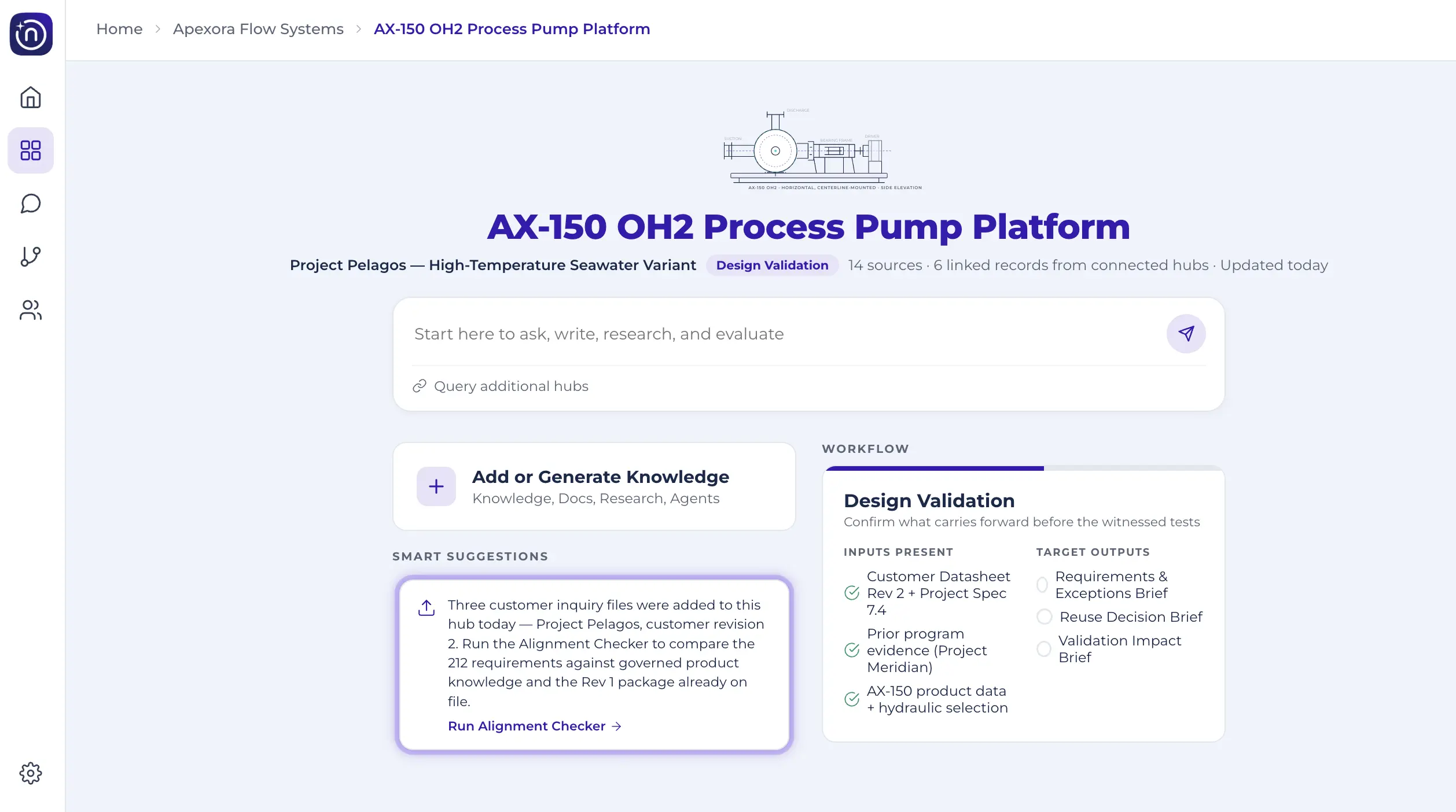
A new application arrives as a purchaser specification, API datasheet, operating envelope, material restriction or internal standard. Narratize compares it against product knowledge, prior decisions, approved evidence and applicable standards, so teams see what the requirement says, where evidence supports it, where requirements conflict, what is missing and what still requires an engineering decision. Every conclusion stays connected to source.

The question isn't "Do we have a similar product?" It is "Have we solved an application like this before, and what made that configuration work?" Narratize surfaces comparable prior engineering with its operating envelope, media, materials, configuration, test history, field issues, prior exceptions, rejected alternatives and expert rationale. What counts as similar depends on the product: duty point, fluid and hydraulics for a pump; pressure, flow and package for a compressor; media, pressure, temperature and sealing for a rotary joint. Engineering sees the precedent, why it worked and where the current application differs.
.svg)
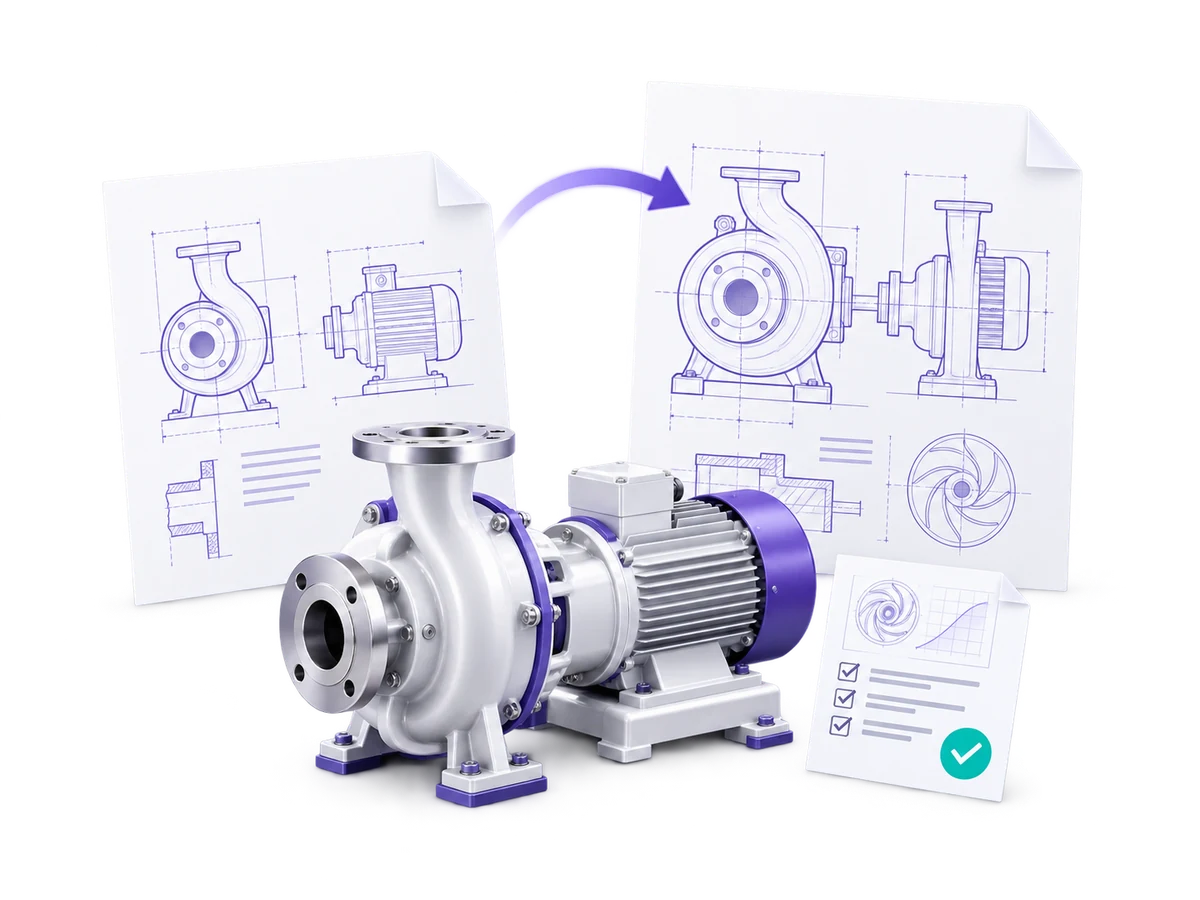
A platform refresh or changed requirement doesn't invalidate everything you've already proven, and it doesn't make all prior evidence reusable either. Narratize compares new requirements and design changes against the conditions behind existing validation evidence (performance curves, pressure and flow data, vibration, thermal, cycle and fatigue testing, seal performance, customer acceptance tests, certification records) and sorts it into three dispositions: carry forward, engineering review, or new validation required.
Explore the interactive demo to see how Narratize takes a team from a new requirement package to a validated design decision.
Identify requirements, conflicts, gaps and supporting evidence.
Surface the closest prior design together with rationale, test evidence and applicability limits.
Separate what can carry forward from what requires engineering review or new validation.
Fives Intralogistics Corp., a global industrial-equipment manufacturer, needed a faster way to compare customer specification packages against trusted product information. With Narratize, teams compare requirements against source materials, identify revision changes, mismatches and gaps, and carry the resulting product knowledge into subsequent work. The same intelligence model now serves pump, compressor and flow-control manufacturers.



Requirements analysis becomes structured product knowledge. A selection decision preserves not only what was chosen, but why. Test results stay connected to the conditions under which they were proven. Exceptions, failures, field lessons and expert answers become part of the product's engineering history rather than disappearing inside another project folder. As teams contribute across products and programs, Narratize builds an increasingly complete picture of what your organization has engineered, what it has proven, where it has failed, why decisions were made and when prior knowledge applies.
Bring together specifications, performance data, test reports, certifications, PLM and ERP information, service history and other systems of record.
Preserve design rationale, tradeoffs, exceptions, negative results, field lessons and the expertise behind engineering decisions.
Keep knowledge source-linked, current, governed and connected to the context that determines where it can be applied again.
Narratize is the System of Intelligence for NPD. It connects systems of record with expert knowledge to create governed, source-linked product intelligence that teams and AI can draw on throughout product development, so your next design inherits everything the last one proved.
Bring one real product, requirement set or engineering workflow. We'll show how Narratize connects what your systems record with what your engineers know, then puts that intelligence to work against the next product decision.
Schedule a DemoNarratize compares incoming specifications and requirements against the knowledge in the relevant Product Knowledge Hub, including approved product data, prior decisions, test evidence and other connected sources. It identifies supporting evidence, conflicts, gaps and items requiring review, with every conclusion traceable back to source.
Yes. Teams can search across permitted product knowledge for comparable prior applications and inspect the reasoning and evidence behind them. Narratize surfaces relevant operating conditions, design choices, test results, exceptions, field lessons and expert rationale so engineers can judge whether the prior work actually applies.
No. Narratize organizes the evidence and assesses change impact; qualified engineers remain responsible for engineering decisions. The system shows what appears applicable, what needs review and where new validation evidence is required, without treating prior evidence as universally transferable.
Yes to the first, no to the second. The same product-intelligence model applies across compressors, blowers, vacuum systems, high-pressure fluid systems, rotary joints and unions, valves, hydraulic equipment and other engineered product families; what defines a meaningful prior match changes with the product. Narratize works with PLM, ERP and document-management systems rather than replacing their authority. It adds the product-development intelligence layer that connects records with decisions, rationale, evidence and expert knowledge so teams can use that context in subsequent work.
Fives Intralogistics Corp. reduced the time required to compare customer specification packages against product data by 80%, from days to hours, while reducing risk in its RFP process. Product-development and R&D leaders, engineering teams, application engineers, product managers, quality and program leaders all work from the same governed product context.